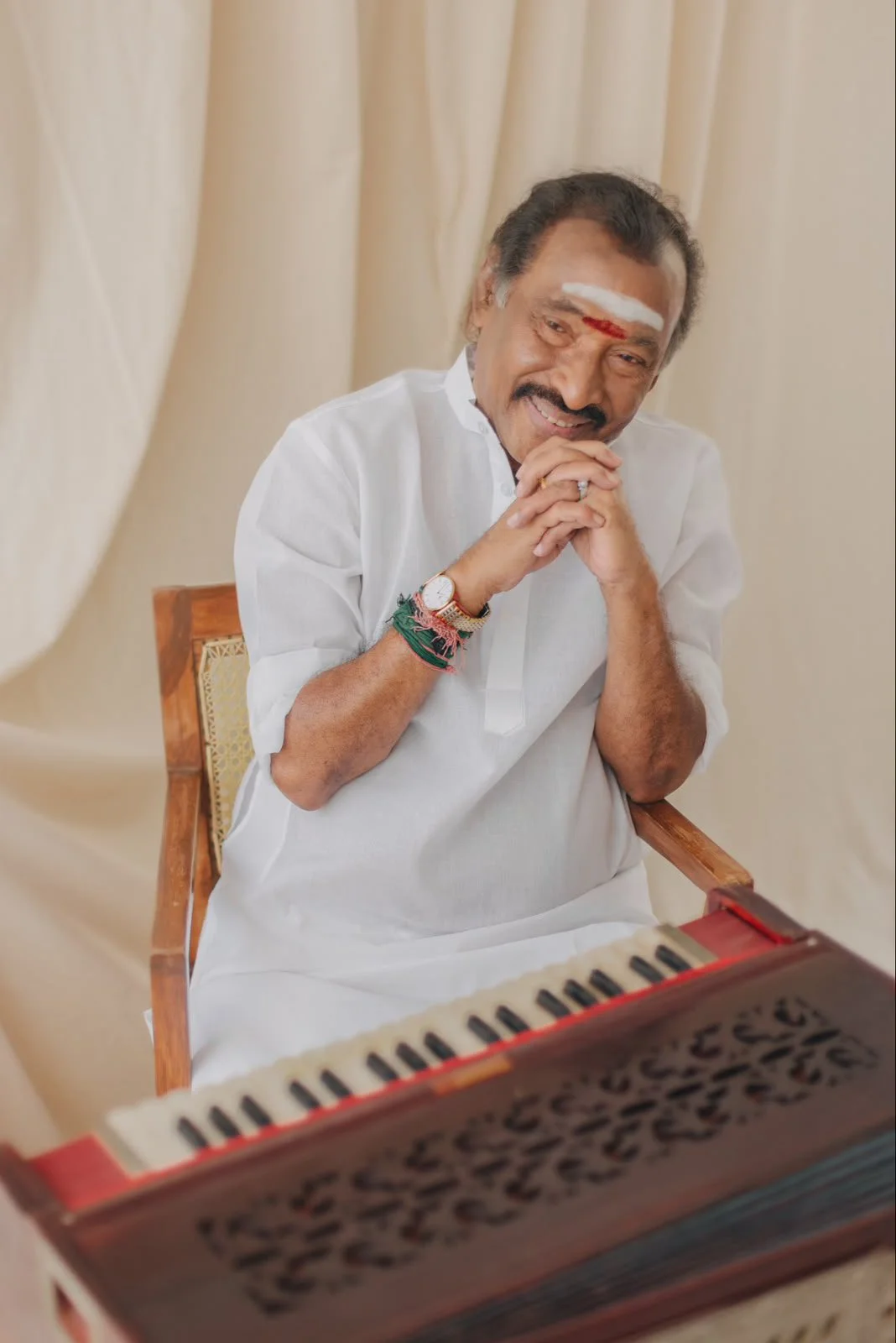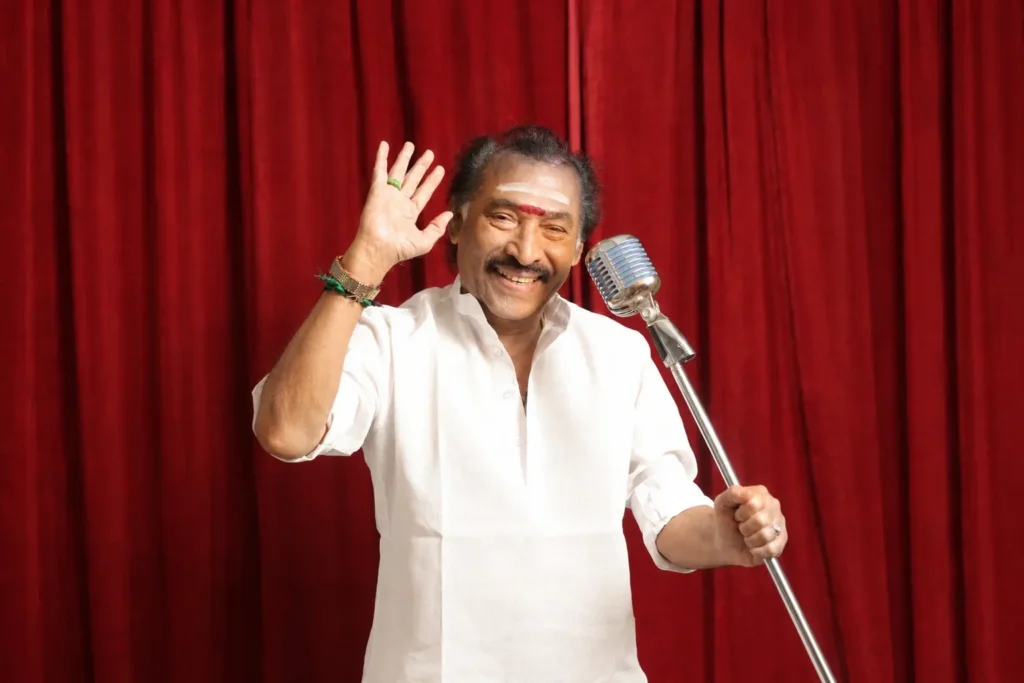
Music composer Deva passed away on 17 October 2026 following a sudden cardiac arrest. He was 75. The news sent me on an unusual nostalgia trip, back to the days when I first started listening to music, holding cassette inlay cards in my hand and trying to read the name with the fewest syllables: Deva.
I’m Malayali and have visited Tamil Nadu only a handful of times, but those inlay cards were how I learned to read Tamil. If my memory serves me right, Deva was the first name I learned to read in the language along with Manisha Koirala.
He started composing for films around the time I was born, and by the time I was five, he was one of Tamil cinema’s busiest composers. Growing up in Kerala, I enjoyed Malayalam films, but when it came to music, I almost always turned to Kollywood. The songs were simply more fun. Malayalam cinema had plenty of fine melodies, often composed by musicians who worked across South India, but its lyrics at the time frequently leaned towards dense poetry that had little to do with what was happening on screen.
This was also the period when Ilaiyaraaja could swing between a ‘Yamuna Aatrile’ and a ‘Masthana Masthana’. I could happily inhabit both worlds. But Deva seemed to be having the most fun in the latter, and that’s the side of Tamil film music I found myself drawn to. Malayalam music often had the edge when it came to melody, but rarely seemed to have that same uninhibited energy.
I watched fewer Tamil films after the mid-2000s, partly because of the flood of superstar vehicles that began feeling increasingly interchangeable. I continued to follow the music, though, and Deva remained on my radar. I even remember the unabashedly cringe-worthy ‘Missu Missu Papa‘ from the utterly forgettable Sathyaraj-Roja-Mumtaz film, Looty. Interestingly, the earliest album of his that I remember owning was Tamizhachi, the Napoleon-Ranjitha starrer that sank without a trace. But I have vivid memories of playing that cassette (with hummable songs) on repeat in our Maruti car during a family trip from Kerala to Madurai.
It was only years later that I began to appreciate how much Deva had contributed to bringing the gaana sound into mainstream Tamil cinema. He was frequently accused of plagiarism, and some of those songs were fairly direct lifts. But the adaptations I enjoy feel more like reworkings than straight copies.
Here are 20 songs I grew up listening to and still return to. Some have stayed with me because of the music, others because of where I was in life when I first heard them. Together, they carry memories for which I’ll always be grateful to the legendary musician.
20. April Maathathil (Vaali)
A late-’90s youth anthem that has lost none of its easy charm. One listen is enough to take me back to that period.
19. Thudi Thudi (King Soloman)
One of Deva’s rare Malayalam compositions, this one has stayed with me for reasons I can’t quite explain, which is sometimes how nostalgia works. It may not be among his best, but I love the way K. S. Chithra and Swarnalatha go at it, almost as if they’re having a musical duel. It’s an unusual tune for Malayalam cinema, and that’s part of its appeal.
18. Bharathikku Kannammaa (Priyamudan)
One of the songs that reminds me of Vijay’s earlier years as a leading man, when he was still playing a wider variety of characters. It has the straightforward romantic appeal that Deva did so well.
17. Meenamma (Aasai)
I remember the voices of Anuradha Sriram and Unnikrishnan, but I remember the title even more. For the longest time, I kept wondering who Meenamma actually was in the film.
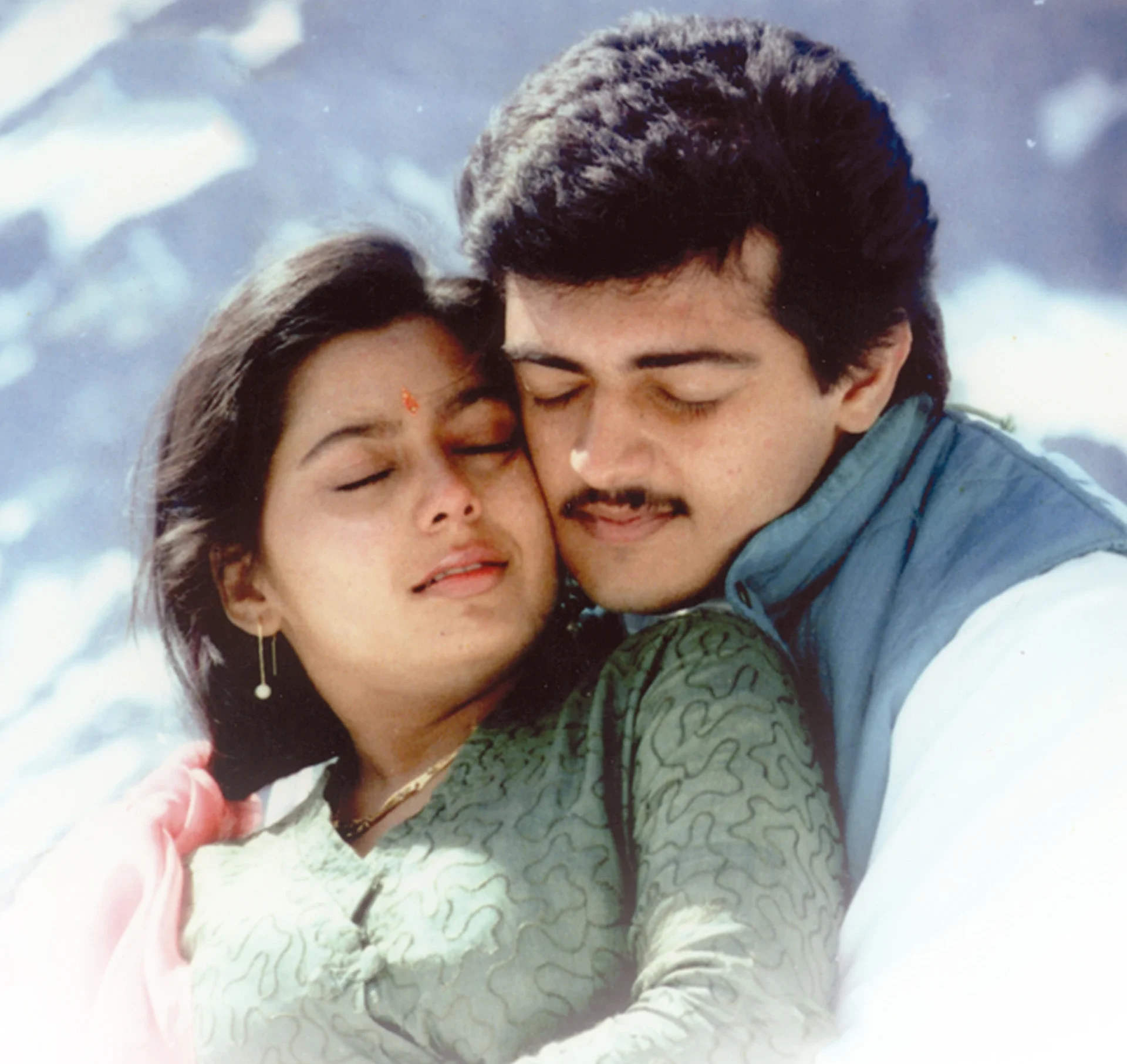
16. Hey Keechu Kiliye (Mugavaree)
A softer, more intimate side of Deva’s music. It may not be among his biggest hits, but it’s a reminder that he could deliver a tender melody just as comfortably as a high-energy dance number.
15. Sakalakala Vallavane (Pammal K. Sambandam)
A playful number that fits Kamal Haasan’s comic antics perfectly. Deva understood how to make a song serve the film without losing its own sense of fun.
14. Athanda Ethanda (Arunachalam)
A full-blown mass number that matches Rajinikanth’s screen energy without trying too hard. Deva knew how to score for the Superstar, and this is a terrific example.
13. Shyamayam Radhike (The Prince)
A Malayalam track that showcases a different side of Deva. While Chithra’s singing is top-notch, the melody is what holds this lovely song together.
12. Kattipudi Kattipudi Da (Kushi)
It was raunchy, and it was scandalous. Its cheeky energy and rhythm have the playful side of Deva that I have always enjoyed.
11. Un Per Solla (Minsara Kanna)
A light, youthful melody that brings back the sound of late-’90s Tamil cinema. Deva could move between mass numbers and romance with an ease that made him such a hitmaker.
10. Manam Virumbuthey (Nerrukku Ner)
9. Vai Raja Vai (Panchathanthiram)
This is the kind of music I missed in Malayalam cinema. The Hindi lines, the infectious rhythm, the sheer energy of it all. I would wake up from a slumber just to play this song and dance to it.
8. Pulveli Pulveli (Aasai)
A silken melody with K. S. Chithra and Deva at the peak of their chemistry. There’s a lovely ease to the song, and I suspect both of them love it as much as the rest of us do.
7. Rukku Rukku Rukku (Avvai Shanmugi)
The brief was wonderfully specific: come up with a song to pacify a child obsessed with the Bollywood number ‘Ruk Ruk Ruk’. Deva responded with this. Kamal Haasan singing as Shanmugi Maami, alongside Sujatha, makes it all the more memorable.
6. Malligaiye Malligaiye (Ninaithen Vandhai)
A priceless K. S. Chithra-Anuradha Sriram duet, with Rambha and Devayani in pavadai-davani. I still know the lyrics by heart. The song also brings back memories of a younger Vijay playing everyday characters, long before the superstar persona took over.
5. Tunturu Alli Neera Hadu (Amrutha Varshini)
This song made me take a genuine interest in Kannada music and even learning the language for a while. I remember discussing it with a cab driver in Bengaluru who was playing it in his car. He kept praising K. S. Chithra, as most people would, but I made sure to tell him that the composer was a veteran named Deva and that he should check out his other music, too. Even then, I wanted more people to know his name.
4. Vanthenda Paalkaran (Annamalai)
The milkman song that became inseparable from Rajinikanth’s screen persona. Deva turned an everyday identity into a full-blown Superstar anthem, and the result remains irresistible.
3. Viral Thottal Virunna (Phantom)
This number shows Deva working comfortably in Malayalam, pairing a simple, affectionate melody with P. Jayachandran and K.S. Chithra. The song’s gentle call to the one who blooms at a touch has kept it in circulation long after the film Phantom faded.
2. Naan Autokaaran, Azhagu and Style Style (Baashha)
Sorry, I can’t pick just one. ‘Naan Autokaaran’ is a gaana gem, while ‘Azhagu’ and ‘Style Style’ let S. P. Balasubrahmanyam and Chithra have a ball behind the microphone. Add Rajinikanth and Nagma to the mix, and you have three songs whose appeal goes well beyond the music. The visuals are iconic in their own right.
1. Ee Sundara (Amrutha Varshini)
I discovered this album during my four-year stay in Bengaluru. To this day, Amrutha Varshini ranks among the top five film soundtracks I’ve heard in my life, and ‘Ee Sundara’ remains its unmatched highlight. Some songs stay with you because they remind you of a particular time. Others become part of your life without you quite realising when it happened. This one has done both.